
Why Do My Lights Flicker or Dim? 8 Causes Ranked by Risk
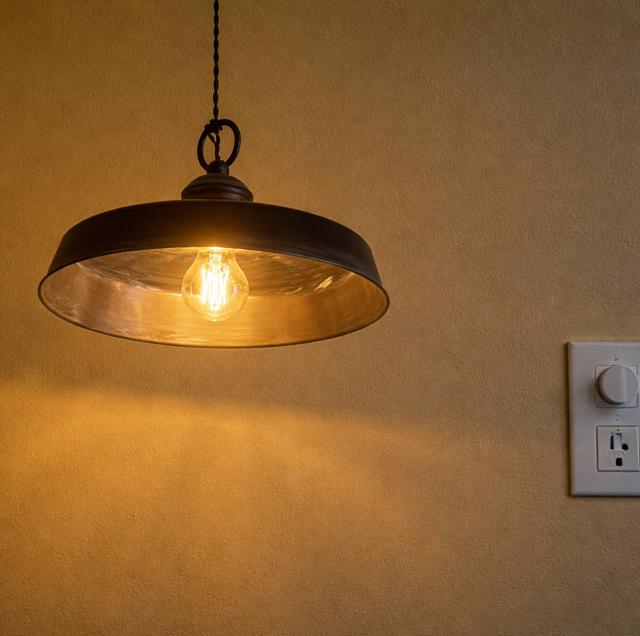
Quick Answer: Most flickering is harmless, an LED on an incompatible dimmer, or a loose bulb. It becomes dangerous when the whole house flickers, when lights brighten then dim, or when a switch or outlet feels warm, buzzes, or smells scorched. Those signs point to a loose connection or a failing neutral and call for a licensed electrician right away.
Flickering lights sit on a wide spectrum. On one end is a brand-new LED buzzing on an old dimmer that was never built for it, which is annoying and completely harmless. On the other end is a loose connection quietly heating up inside a wall, which can char insulation and start a fire. Both look like the same thing from your couch. The skill that actually protects your home is learning to read the flicker before you decide it is nothing.
Harmless Versus Dangerous: Read the Pattern First
Before chasing individual causes, sort the flicker by three questions. The answers narrow the field faster than any single fix.
How much is flickering? One bulb is almost always local, a bad lamp or fixture. One room points to a single circuit or the switch feeding it. The whole house flickering at once is the pattern that should get your attention, because the only things shared by every circuit are the panel, the main connections, and the utility feed.
When does it flicker? A brief dim the instant your air conditioner, well pump, or microwave kicks on is normal electrical behavior. Random flickering with nothing switching on is less benign. Flickering that is slowly getting worse over weeks is the one to act on.
Is it steady or is it changing? A consistent, mild flicker on a dimmer is usually a compatibility quirk. Lights that brighten unusually and then sag, or swing brighter and dimmer across the house, are a different animal entirely and belong in the red-flag column below.
Hold those three answers while you read the causes. They run from the most benign to the most serious.
The Causes, Benign to Serious
An incompatible LED and dimmer combo: This is the single most common flicker in modern homes and the least dangerous. Old dimmers were designed for the smooth, heavy load of incandescent bulbs. An LED draws a tiny fraction of that, so a legacy dimmer can misfire and produce a shimmer, a flutter at low brightness, or a faint buzz. Nothing is wrong with your wiring. The bulb and the dimmer simply do not speak the same language.
A loose bulb: A bulb that is not seated firmly makes intermittent contact in the socket, so it winks as the connection makes and breaks. Corroded or slightly bent socket tabs do the same thing. It affects one fixture, comes and goes, and is the easiest problem on this list to rule out.
A large appliance or motor starting up: Motors draw a big gulp of current in the first fraction of a second as they spin up. That momentary demand causes a small, brief voltage sag, and your lights dip for an instant. Air conditioner compressors, refrigerators, garage door openers, and well pumps all do this. A single quick dip that lines up with something switching on is expected. A dip that lingers, or one that trips a breaker, is not.
An overloaded circuit: When a single circuit carries close to its limit, adding one more load pulls the voltage down enough to dim the lights on that circuit. A space heater plus a hair dryer on the same run, for example. The tell is that the dimming tracks what you turn on and stays confined to the rooms fed by that one breaker.
A failing or loose connection: Here the risk climbs sharply. A wire that has worked loose at a switch, outlet, or fixture, or a back-stabbed connection that has loosened over years of heating and cooling, no longer carries current cleanly. Electricity jumps the tiny gap, which is arcing, and arcing produces heat. The flicker is the visible symptom of a connection that is degrading and warming up. This is a genuine fire pathway, and it is exactly why a warm or discolored switch plate is never something to shrug off.
A loose neutral: The neutral wire is the return path that keeps voltage balanced across your home. When the main neutral connection loosens, that balance collapses, and voltage shifts unpredictably between circuits. The classic signature is dramatic: lights across the whole house brighten past normal and then dim, sometimes in a slow rhythm, sometimes when a large load switches on somewhere else. A loose neutral can push too much voltage onto sensitive electronics and damage them, and the loose point itself can overheat. Whole-house flicker that brightens and dims is one of the clearest danger signs in a home, and it needs a licensed electrician without delay.
A problem at the panel or main: Breakers can wear out, bus connections can loosen, and the main lugs where the service enters can degrade. A flickering circuit that traces back to one breaker that also feels warm, or whole-house symptoms with no utility outage nearby, can originate here. The panel is not a DIY zone. Everything inside it stays energized even with the main off, so this is licensed-electrician work by definition.
A utility-side issue: Sometimes the fault is not in your house at all. A loose connection at the weatherhead, a failing transformer, or work on the lines can make your lights flicker. A useful clue is whether the neighbors see it too. If the whole street flickers together, the problem is upstream and belongs to the power company, though an electrician can confirm where your responsibility ends and theirs begins.
How to Tell Which One You Have
Run the pattern through a simple decision path.
Count the lights: One bulb points to that bulb or fixture. One room points to that circuit or its switch. The whole house points to the neutral, the panel, or the utility, which are the serious end.
Watch the timing: If the dip fires exactly when the AC or a pump starts and recovers in a blink, that is load behavior, not a fault. If it happens at random, or the brightness swings on its own, treat it as a wiring question.
Track the trend: A flicker that has been the same for a year is a low priority. A flicker that started recently and is worsening, spreading to more fixtures, or now comes with heat, smell, or noise is moving in the wrong direction and should not wait.
Think of your home's wiring like a chain of handshakes from the panel to each fixture. A firm grip passes current cleanly and quietly. A weak, sweaty grip, a loose connection, slips and heats up at the point of contact, and that slip is what you see as a flicker. The looser the grip and the more current it carries, the more it heats.
Safe DIY Checks You Can Do Now
A few checks are perfectly safe with the power to the fixture off and are worth doing before you call anyone.
Reseat or Replace the Bulb: With the switch off and the bulb cool, gently snug it into the socket, or swap in a known-good bulb. If the flicker follows the bulb to another fixture, the bulb was the problem. If it stays behind, the fixture or circuit is.
Match the Dimmer to the Bulb: If a dimmed LED shimmers, confirm the bulb is marked dimmable, then check that the dimmer is rated for LED loads. A dimmer built only for incandescent bulbs, or a non-dimmable LED on any dimmer, will flicker. Pairing a dimmable LED with an LED-compatible dimmer resolves most of these cases.
Move the Load: If one circuit dims whenever you run a heavy appliance, plug that appliance into an outlet on a different circuit. If the dimming stops, the first circuit was simply carrying too much and the fix is redistributing the load rather than replacing anything.
What is not on this list is opening a switch, outlet, or the panel to tighten anything. Those points can be live, and a loose connection that is already arcing is the last place to go poking without training.
A few checks are safe with the power to the fixture off. Reseat or swap the bulb, and if the flicker follows the bulb to another fixture, the bulb was the problem. If a dimmed LED shimmers, confirm the bulb is marked dimmable, and the dimmer is rated for LED loads. If one circuit dims under a heavy appliance, move that appliance to an outlet on a different circuit.
Red Flags That Need an Electrician Now
Some signs move a flicker out of the annoyance column and into the safety column. Any one of these means stop troubleshooting and bring in a licensed electrician.
- Whole-house flicker, especially if the lights brighten past normal and then dim. This is the loose-neutral signature and a real hazard to both your safety and your electronics.
- A switch, outlet, or plate that feels warm to the touch, looks discolored, or shows scorch marks. Heat means a connection is failing. Cut power to it at the breaker if you can and call a pro.
- A buzzing, sizzling, or crackling sound from a switch, outlet, or the panel. That is often the sound of arcing.
- A burning or acrid plastic smell near a device or the panel. Kill the power and call immediately.
- Flickering that is steadily worsening or spreading to more fixtures over days and weeks.
- Anything involving the panel itself, including a warm breaker or a flicker with no nearby outage.
None of these are wait-and-see. Arcing connections and loose neutrals can escalate from a flicker to overheating quietly, and the cost of an inspection is small next to the alternative.
Treat any of these as a reason to stop troubleshooting and call a licensed electrician. Whole-house flicker where the lights brighten past normal and then dim is the loose-neutral signature and a real hazard. A switch, outlet, or plate that feels warm, looks discolored, or shows scorch marks means a connection is failing, so cut power to it at the breaker if you can. A buzzing or crackling sound or a burning plastic smell near a device or the panel means you should kill the power and call immediately.
Frequently Asked Questions
Yes, and a loose neutral is the usual culprit. When the neutral fails, voltage that should stay near 120 on each leg can climb well above that on one side while it sags on the other. Sensitive electronics with switch-mode power supplies, televisions, computers, and modern appliance control boards are built for a narrow voltage window and can be degraded or destroyed by the overvoltage. A whole-house surge protector at the panel helps, but it treats the symptom, not the loose connection causing it.
Metal expands and contracts with temperature, and a connection that is already slightly loose moves with it. In cold, conductors contract and a marginal connection can open up enough to flicker. In heat, the same joint plus the current running through it can push a weak connection past its limit. So a flicker that tracks temperature in either direction is a hint that a physical connection is loose and working itself worse, not a seasonal quirk to ignore.
A brief, single dip at startup is normal because motors pull a large inrush current for a fraction of a second. What is not normal is a dip that lasts more than an instant, one that repeats or flutters, or one deep enough to trip a breaker. Those can signal an undersized circuit, a weak connection in the path, or a motor drawing more than it should as it wears. If the dip has grown more pronounced over time, have the circuit checked.
No, and this is a common mix-up. A surge protector clamps down on brief voltage spikes from lightning or the grid. It does nothing about a loose connection, an overloaded circuit, or an incompatible dimmer, which are the actual causes of most flicker. It is worth having as a layer of defense for your electronics, particularly if you have had loose-neutral symptoms, but it is not a flicker fix and should never be treated as one.
It can play a role. An AFCI breaker is specifically designed to sense the electrical signature of arcing and trip, so if you have arcing at a loose connection, an AFCI may trip or behave erratically rather than let it continue, which is the device doing its job. A worn GFCI can also cause intermittent behavior on its circuit. A flicker that coincides with a breaker or receptacle repeatedly tripping is a signal worth an electrician's attention, not a reset-and-forget situation.
Look outside and next door. If your neighbors' lights flicker in the same moment, or if streetlights dip too, the issue is on the utility side: a transformer, a line, or the drop to the neighborhood. If only your home flickers while everyone else is steady, the fault is on your side of the meter, from the weatherhead through the panel and into your circuits. An electrician can test at the panel to pinpoint where your wiring ends and the utility's begins, then advise you which side needs the call.
Book a flicker diagnosis before a loose connection becomes a bigger problem — a licensed electrician finds the fault fast and makes it safe. Zimmerman Electric serves Surprise, Sun City, and the West Valley. Call (602) 497-3365.
