
Burning Smell From an Outlet or Panel: What It Means
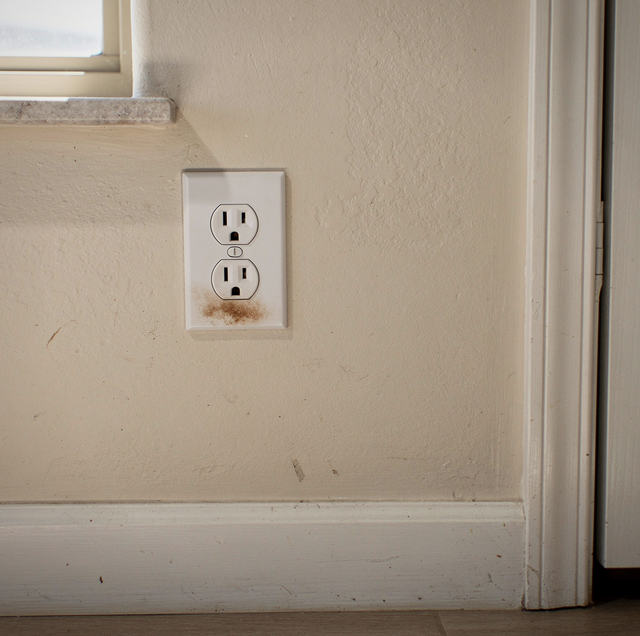
If you catch a burning or plasticky smell near an outlet, a switch, or your breaker panel, stop using that circuit and figure out exactly where the smell is strongest before you do anything else. A faint odor that fades in a minute is a different situation than one that keeps building, and telling those two apart is the difference between an easy fix and a fire that's already started somewhere you can't see. The rest of this covers what actually produces that smell, where it tends to start, and which signs mean you call an electrician right away instead of opening a window and hoping it clears.
What's Actually Burning When You Smell It
Copper wire itself doesn't smell; metal doesn't off-gas the way plastic does. So if you're smelling something electrical, it's almost always insulation, a receptacle's plastic body, or a breaker's internal components heating up past their normal range. Thermoplastic wire jacket starts to soften and give off that sharp, fishy odor well before it visibly melts or smokes, and it's usually happening at one specific point rather than along the whole wire.
That single point matters. Electricity fails through resistance: a loose screw terminal, a worn wire nut, or a corroded lug creates a spot where current has to squeeze through a smaller connection than it should, and that squeeze generates heat right there. The rest of the circuit can feel completely normal while one connection quietly cooks.
Where the Smell Starts Tells You How Serious It Is
An outlet or switch: The most common cause is a loose backstab connection, a wire pushed into the spring-clip holes on the back of a cheaper receptacle instead of wrapped under a screw terminal. Those clips lose grip with heat cycling over the years of normal use, and a loosened connection arcs slightly every time an appliance draws current through it. Worn contact tension inside the receptacle itself, from years of plugs going in and out, does something similar.
The panel: A smell coming from the panel is more serious, because every circuit in the house routes through a small number of connections there. A loose lug on the bus bar, an overheating main breaker, or two wires jammed under a single screw meant for one conductor (a double-tapped neutral) are the usual suspects. Some older panel brands also used molded phenolic housings for their breakers, a plastic material that can give off a faint odor of its own as it ages and heat-cycles, separate from any actual fault.
Behind the wall with no visible source: This is often a splice inside a junction box that's worked loose, or a cable that was nicked or nailed through during a past renovation and is only now heating up enough to notice.
What to Do the Moment You Notice It
Switch off the breaker for that circuit if you can do so safely, and unplug anything connected to it. Don't touch or open the panel cover beyond that; panels carry lethal voltage on the bus bar even with the main breaker switched off. If there's any visible smoke or flame, get everyone out and call emergency services first. Ventilating the room is fine, but don't mistake a fading smell for a solved problem; airflow just dilutes what you're smelling; it doesn't stop whatever is overheating.
What an Electrician Actually Checks
A thermal imaging camera lets an electrician scan the panel and suspect outlets under normal load to find the hot spot without touching anything energized. From there, the usual next step is torque-checking terminal screws to the manufacturer's spec, since an under-torqued screw is one of the most common findings on calls like this, and a loose screw physically can't carry current without generating heat at the contact point. Backstabbed connections found during that inspection are typically moved to a proper screw terminal or pigtail splice, and any double-tapped neutral or breaker is corrected so each terminal carries only the single wire it was designed for.
When It's Not Actually an Electrical Problem
A faint burning-dust smell the first time a new light fixture or bulb runs is normal; manufacturing oils and dust on the element burn off in the first few minutes and shouldn't return once the fixture cools. A hot, dusty smell when your furnace or air handler kicks on for the season is often the blower motor burning off accumulated dust, worth mentioning to an HVAC technician but unrelated to house wiring. And a smell that's more musty or like burnt hair than sharp plastic can point to rodent activity near a junction box, chewed insulation or nesting material, which is still worth having checked since exposed wire from that kind of damage is its own hazard.
Frequently Asked Questions
Yes. A hair dryer, space heater, or any device with its own motor or heating element can overheat internally, even if the outlet or the wiring behind it is not at fault. Check the appliance's own cord for scorch marks near the plug before assuming the wall is the problem.
An aging plastic housing warming and cooling over decades can account for some of it, but don't let that be your own final answer. Certain older panel brands sold widely decades ago are also known industry-wide for breakers that don't reliably trip under fault conditions, which means a lingering odor from one of those older panels warrants a professional look regardless of whether the housing material turns out to be the explanation. An electrician can tell the difference between ordinary material aging and a breaker that's actually failing in a way smell alone can't.
A GFCI contains internal test circuitry and a small solenoid that trips the circuit during a ground fault, and that component can fail and emit a faint smell without the outlet ever reaching a dangerous temperature. Still, a GFCI that smells and no longer trips when you press its test button needs to be replaced regardless of the smell's severity.
A loose connection can arc quietly and leave a conductive carbon path across the plastic housing for weeks or months, gradually raising resistance and heat with every cycle, before it fails outright. It can also jump to open flame within minutes once nearby material ignites. "It's smelled like this for a while, and nothing's happened" isn't a reliable sign that it's safe.
Don't remove the cover plate or open a live device. You can safely check the plate itself from the outside for warmth or brown and black discoloration around the screw holes or prong slots without removing anything, and that alone usually gives an electrician enough to know where to start.
Yes, and it's common. An overloaded or cheaply made extension cord or power strip can overheat at its internal contacts when connected to a space heater or a heavy electronic load. Check the cord itself for warmth or a burnt-plastic smell right at the plug before assuming the home's wiring is at fault.
Is the smell fading or building? That's the only question worth answering in the first few minutes. Everything past that, tracing the loose lug or the worn backstab connection back to its source, is a job for whoever gets called next, not something to work out standing in front of an open panel.
Smelling something burning near an outlet or your panel? Get it checked before it becomes a bigger problem. Zimmerman Electric Company serves Surprise, Sun City, and Peoria. Call (602) 497-3365.
