
Panel Power-Ups for Modern Homes
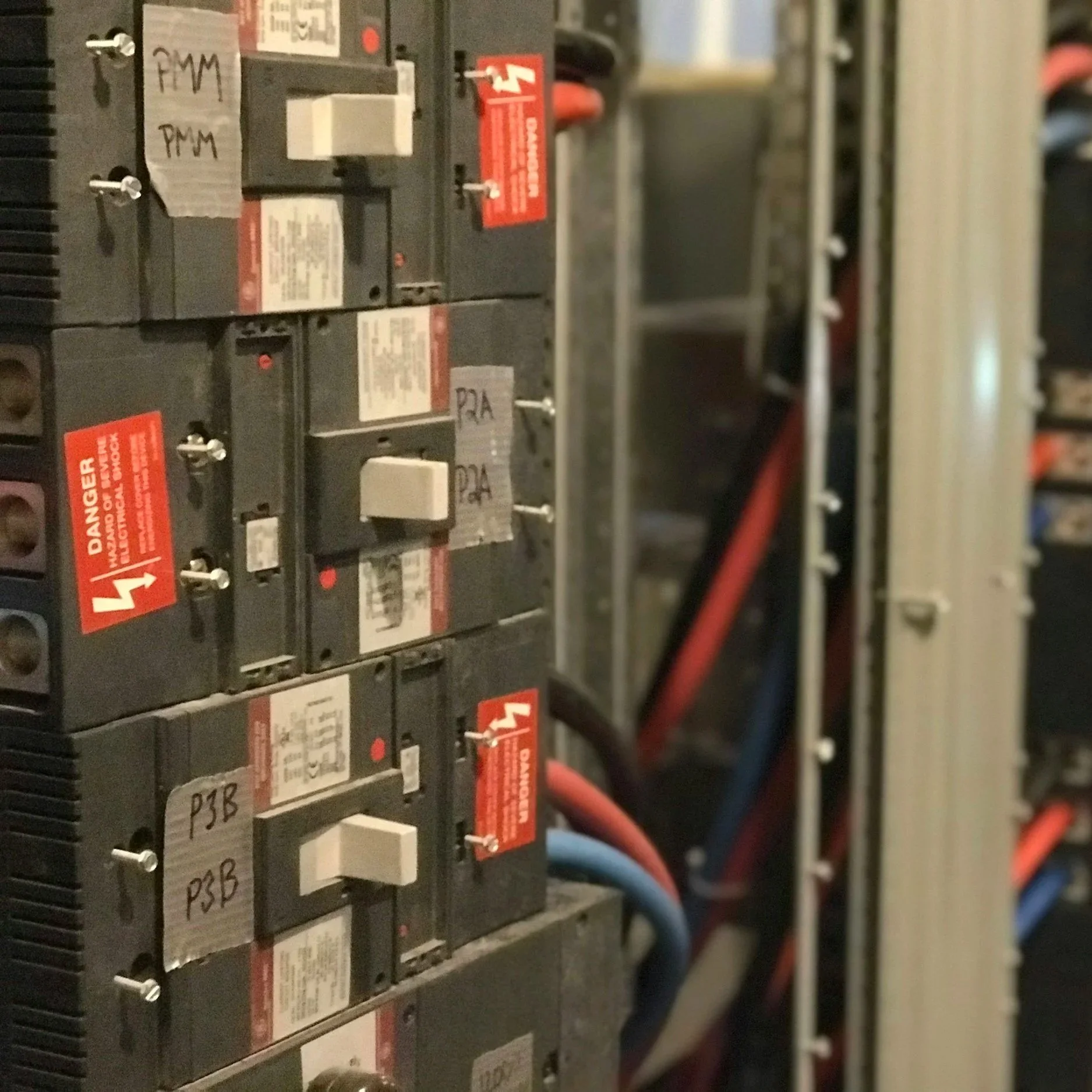
Panel power-ups, or upgrades, become a vital step in keeping your home safe, efficient, and prepared for the future.
Electricity is the heartbeat of a modern home, powering everything from lights to devices. The circuit breaker panel is at the center of it all, acting as the control center for your home's electrical system. When it's working right, it's easy to take it for granted. But when your electrical needs outgrow what your old panel can handle, problems start to emerge. Panel power-ups, or upgrades, become a vital step in keeping your home safe, efficient, and prepared for the future.
The Need for Circuit Breaker Panel Upgrades
Older homes often come with outdated circuit breaker panels that were designed to handle far less electricity than modern households require. With today's gadgets, appliances, and electronics consuming more power than ever before, the need for an upgrade has never been greater. A panel that once worked perfectly for a home with basic lighting and a few kitchen appliances now struggles to keep up with the demands of multiple high-powered devices.
As appliances become more powerful and the number of electronic devices in the home continues to rise, the ability to meet these electrical demands becomes increasingly critical. An outdated circuit breaker panel can result in tripped circuits, frequent power outages, and even fire hazards from overloaded circuits. Modern circuit breakers are designed to handle more power while keeping you safe.
Upgrading the electrical panel isn't just about having more power, though. It's about safety, reliability, and preparing for the future. By upgrading your circuit breaker panel, you're investing in the long-term functionality of your home's electrical system.
Signs Your Circuit Breaker Panel Needs an Upgrade
A few signs can tell you that your electrical panel needs a power-up. For one, if your home is older and still has the same electrical panel it had when it was first built, it might be time for an upgrade. Most homes built before the 1970s have panels designed to handle only about 60 amps. Modern homes often need 100 or even 200 amps to support all the electrical equipment we use today.
Another sign is frequent tripped breakers. If your breakers trip often, it's a clear sign that the panel can't handle the electrical load and may need to be replaced. A panel that feels warm to the touch or has a burning smell is a serious red flag. These are signs of overheating that can lead to fires. Ignoring these problems can be dangerous.
If you plan to add major appliances, such as an air conditioner, or renovate and add rooms, consider upgrading your panel. Adding electrical devices without upgrading your circuit breaker panel could overload the system, putting your home at risk.
The Process of Upgrading Your Circuit Breaker Panel
Upgrading a circuit breaker panel is a job for a licensed electrician. The process involves replacing the old panel with a new one that has a higher amperage capacity. Depending on your home's needs, the electrician will install a panel that's capable of handling a larger load.
The upgrade process begins with a thorough assessment of your current system. The electrician will evaluate the age and condition of your existing panel and your electrical needs. After the assessment, they'll recommend the best type of upgrade. The most common upgrade is moving from a 60-amp panel to a 100-amp or 200-amp panel, depending on the size of the house and the number of electrical devices in use.
Once the new panel is selected, the electrician will disconnect the power to your home and replace the old panel with the new one. New wiring may be necessary to accommodate the upgraded system. After everything is connected, the electrician will test the new panel to ensure everything works as it should.
Safety Comes First
One of the main reasons to upgrade your electrical panel is safety. An outdated panel may not provide the protection you need against electrical hazards. Newer circuit breakers are designed to trip more quickly in the event of a power surge, preventing damage to appliances and reducing the risk of fire. They also feature better grounding systems, which help protect against electrical shocks.
If your current panel doesn't meet modern safety standards, it may also violate local electrical codes. By upgrading, you'll bring your home's electrical system up to code, which is especially important if you plan to sell your home in the future.
The Benefits of Panel Upgrades
Upgrading your circuit breaker panel isn't just about safety—though that's a huge benefit. It's also about reliability. An upgraded panel will deliver more consistent power, reducing frequent power outages and enabling you to use multiple appliances and electronics without worrying about overloading the system.
An upgraded electrical panel also adds value to your home. Buyers are more likely to purchase a home with a modern, well-maintained electrical system. If you're planning a renovation or a home addition, upgrading your panel will confirm that the new space has access to the power it needs.
Future-Proofing Your Home
One of the best reasons to upgrade your circuit breaker panel is to future-proof it. As our homes become more connected and filled with more technology, the electricity demand will only increase. With an upgraded panel, your home will be ready to handle future electrical needs without issue. Whether you're adding a smart home system, installing a new HVAC unit, or purchasing the latest high-tech appliances, your new panel will support them without a hitch.
Choosing the Right Panel for Your Home
When selecting a new circuit breaker panel, it's important to work with a professional who can guide you through the process. Factors such as the size of your home, your power usage, and planned renovations will influence the type of panel that's best for your needs. A licensed electrician will help you select the right amperage and confirm the panel is properly installed.
Most homes today use a 100-amp or 200-amp panel, but some large homes with extensive electrical systems may require even higher capacities. When selecting a panel, consider your future plans and your home's current electrical load. A qualified electrician will help you make the right choice and verify your electrical panel is set up to handle both present and future needs.
Maximizing Your Panel Upgrade
Once your circuit breaker panel is upgraded, you can take additional steps to maximize the benefits. Consider having your electrician install surge protectors to guard against power surges. Adding extra outlets or dedicated circuits for high-energy devices, such as air conditioning units or electric vehicles, is also an option. These small additions can help balance your home's electrical load and prevent overloading.
Don't forget to maintain your new electrical panel regularly. Periodically check it for signs of wear, and have it inspected by a professional if you notice anything unusual, such as circuit breakers tripping frequently or unusual smells.
Taking the Next Step
Upgrading your circuit breaker panel is a smart, forward-thinking investment in your home's electrical system. Whether you're dealing with an outdated panel, frequent electrical problems, or simply preparing for future electrical needs, a panel upgrade will provide you with the safety, reliability, and peace of mind you deserve.
Consulting with a professional electrician to assess your needs and recommend an upgrade is the first step toward modernizing your home's electrical system. From improving safety to supporting future technology, upgrading your circuit breaker panel is the key to powering up your home for the long run.
Zimmerman Electric offers a complete, one-stop solution for professional residential and commercial electrical projects in the Phoenix Valley metro area, including repairs, installations, and system upgrades. Our licensed and bonded team works on all types of electrical systems with a focus on timely completion, safety, and long-term performance. Whether you need urgent 24/7 service or scheduled electrical work, we provide clear, honest pricing and trusted workmanship. Contact us today and ensure your home or business enjoys reliable, safe electricity around the clock.
